
Technical Resources
FEM Structural Analysis Example
Purpose of analysis: Understand the stress state and deformation state when wind load and gravity load/earthquake load/snow load are applied to the light shelf.
Wind pressure calculation
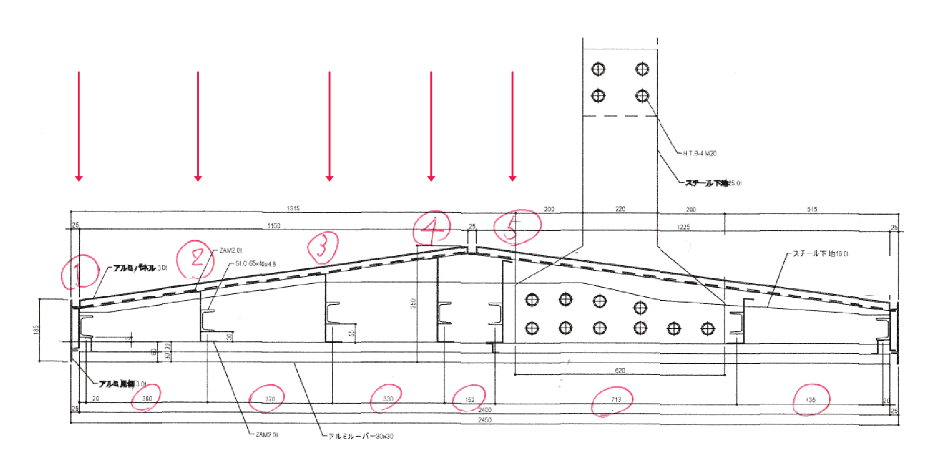
* Up to 30% lighter than the original design
* Considering a structure that can handle various stresses
Analysis conditions:
| Analysis 1: | Wind load + snow load applied from directly above |
| Analysis 2: |
Frame material/bolt consideration Wind load + snow load Earthquake load horizontal direction 1.0G Earthquake load longitudinal direction 1.0G |
| Analysis 3: | Earthquake load left and right direction 1.0G |
| Analysis 4: | Earthquake load longitudinal direction 1.0G |
| Analysis 5: |
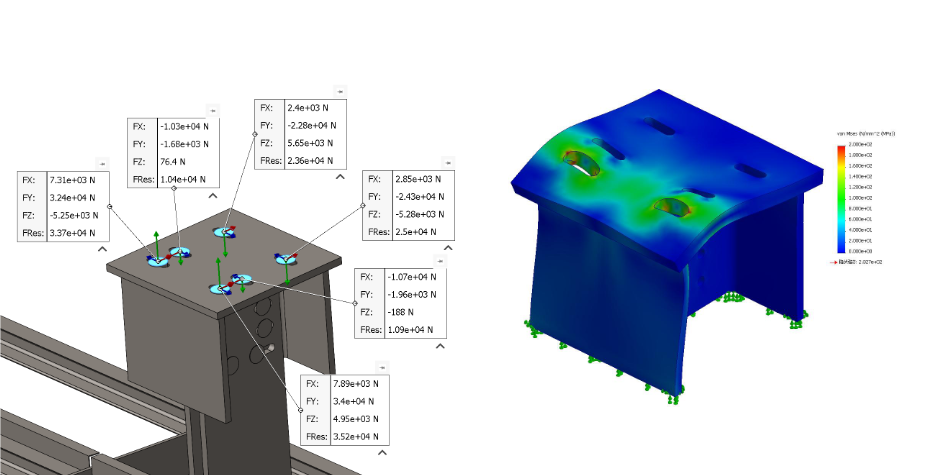
吊り金具/ボルト検討 Wind load + snow load 地震荷重負荷 水平方向 1.0G Earthquake load longitudinal direction 1.0G |
| Analysis 6: | Rib bolt consideration |
| Analysis 7: | Calculation of seismic resonance frequency and resonance mode |
Deformation analysis
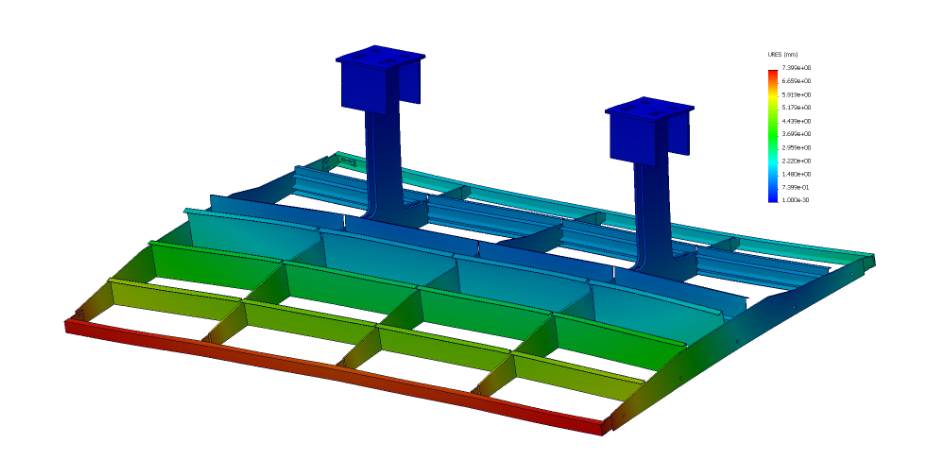
Each structure has its own unique vibration mode (shape of shaking) and resonant frequency. We calculate these accurately using FEM analysis. What is important in design is not to match the earthquake and structure frequencies. When a resonance phenomenon occurs, excessive shaking and stress occur, which can cause damage, so it is essential to avoid risks through advance analysis.
Deformation analysis
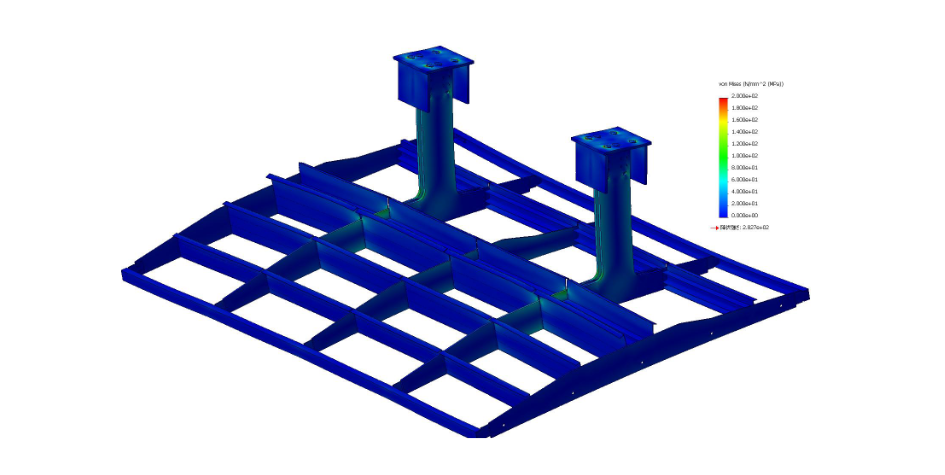
Stress state (von Mises stress value)
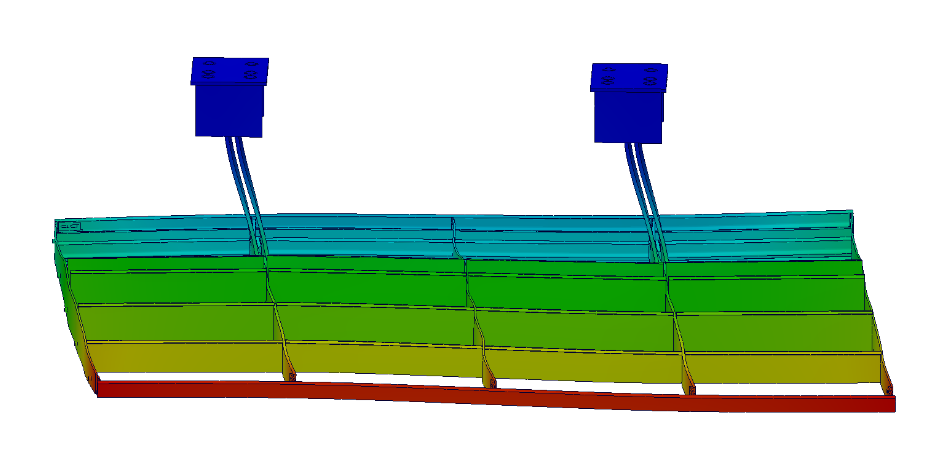
Earthquake load longitudinal direction 1.0G deformation state
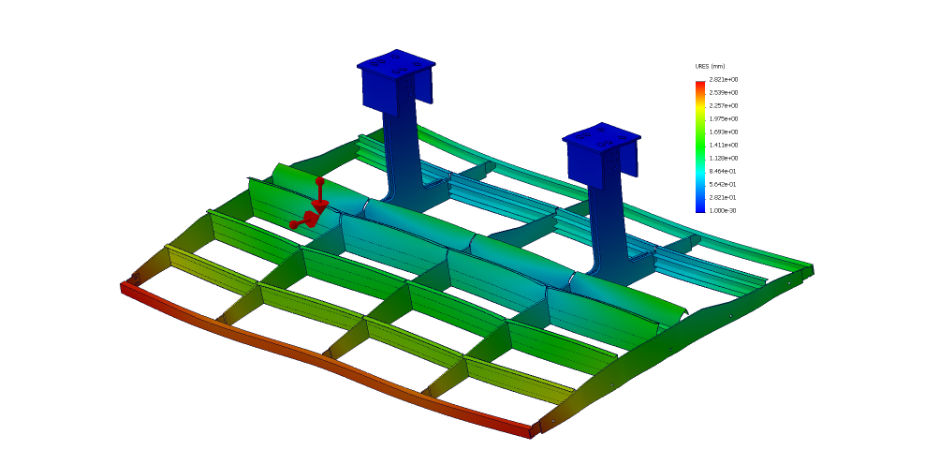
Wind load + snow load
DISCHARGE ATTENUATOR MODULE analysis example
Purpose of analysis: DISCHARGE ATTENUATOR MODULE Equivalent loss and pressure drop analysis.
The analysis is performed by dividing the air region into elements
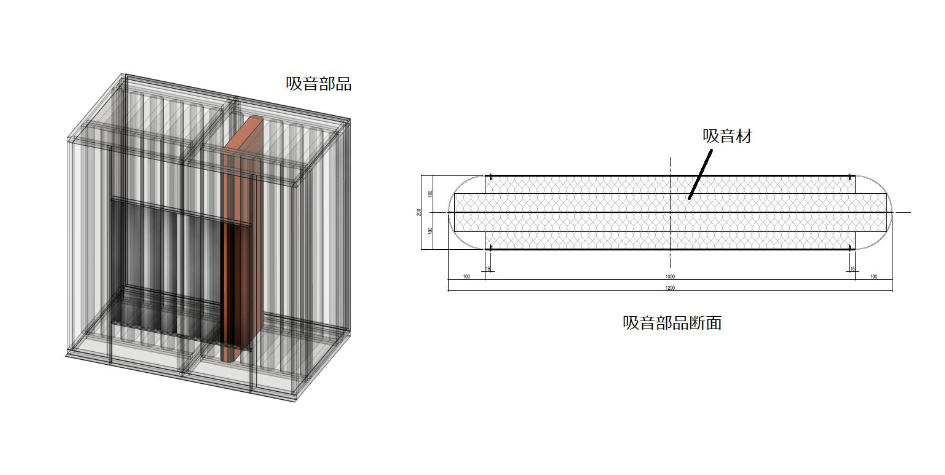
This analysis report summarizes the analysis results of equivalent sound loss and pressure loss for the "DISCHARGE ATTENUATOR MODULE" that you have ordered in the past. We analyzed each evaluation item using the optimal calculation method as shown below.
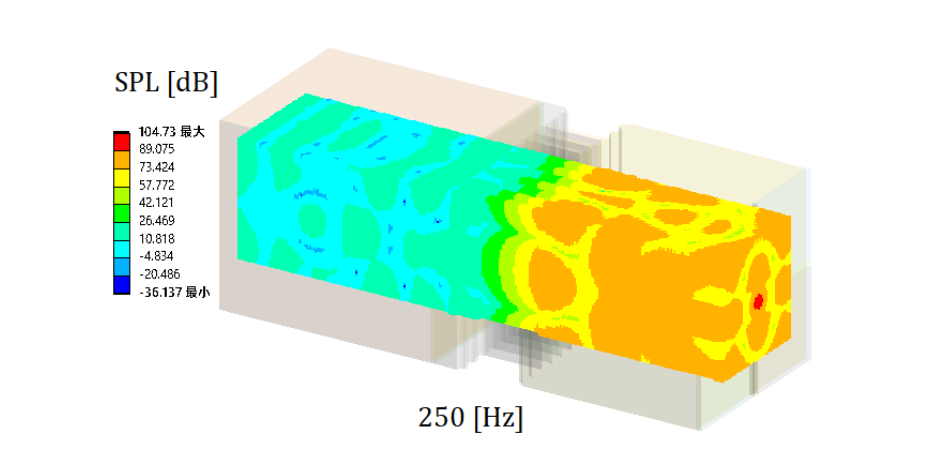
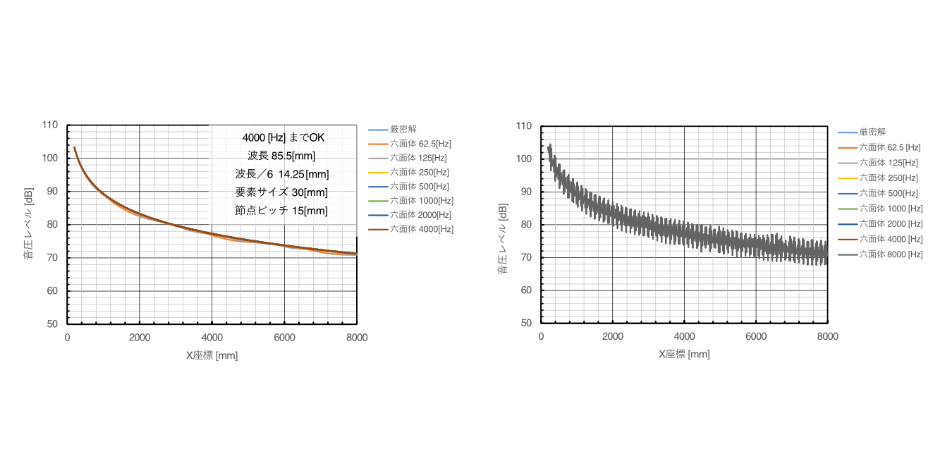
1. Equivalent sound loss: Calculated using the finite element method (FEM) based on the wave equation.
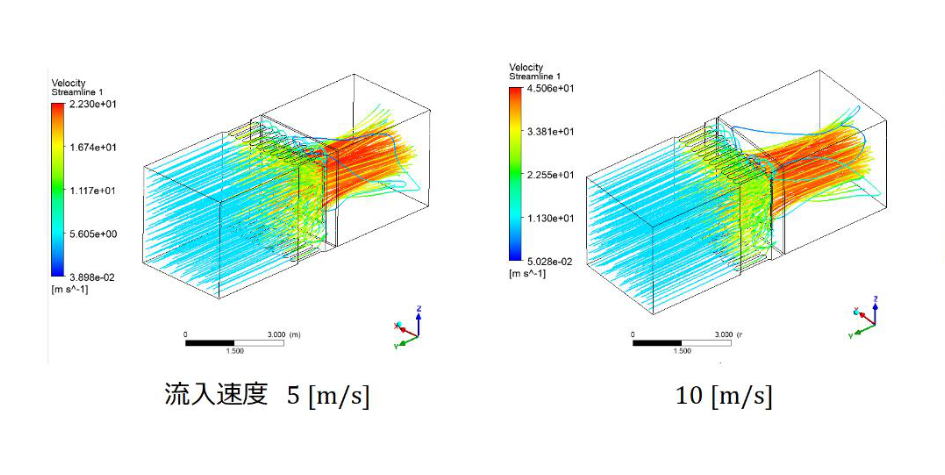
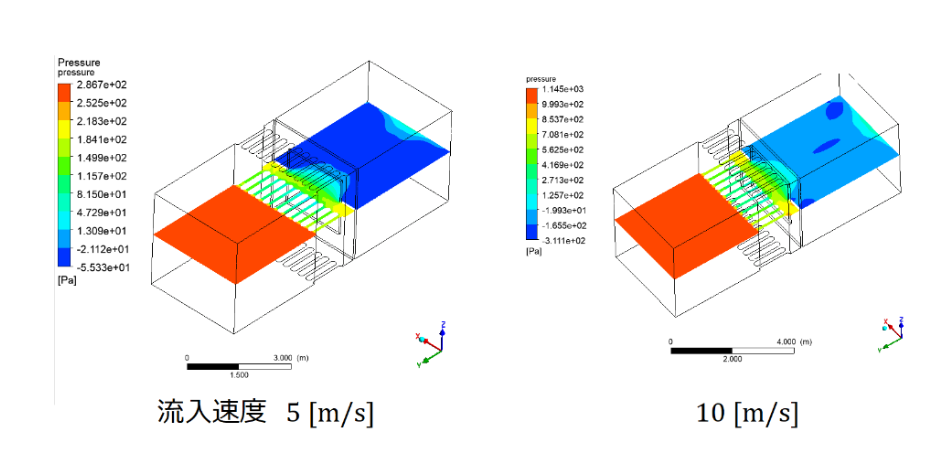
2. Pressure drop: Calculated using the finite volume method (FVM) based on the RNG k-ε turbulence model.
Sound absorption coefficient on the surface

Method of measuring equivalent loss according to JIS standard
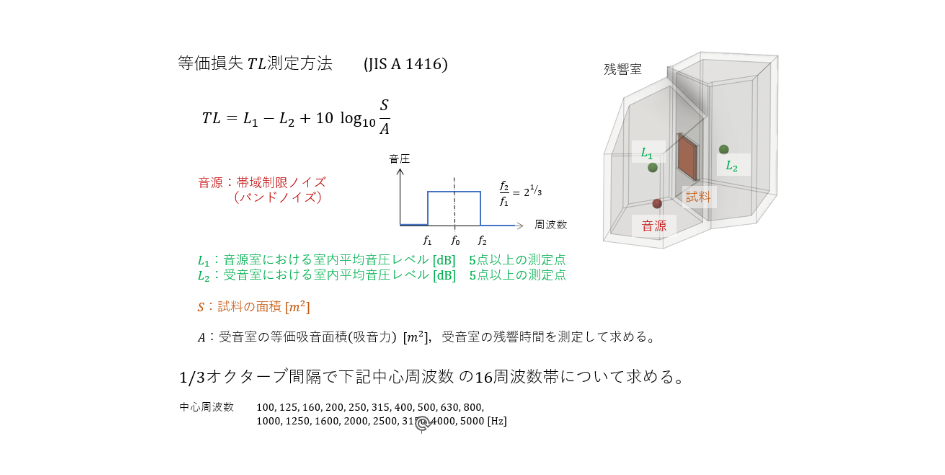
Attenuator equivalent loss (sound pressure level distribution)
Streamline (ANSYS CFX 2022R2)
Pressure distribution
Exact solution and simulation results
Document Request Form
Please fill out the form below to request J-Create technical documents. Select the documents you wish to receive, and they will be sent to your email as attachments.